
Ocular Sinusitis: Causes, Symptoms, Diagnosis and Treatment
Ocular sinusitis refers to inflammation of the sinuses adjacent to the orbit, particularly the frontal and ethmoidal sinuses. Due to the close anatomical proximity between these sinuses and the eye structures—including the optic nerve—even mild inflammation may produce significant ocular symptoms. If left untreated, complications may extend beyond discomfort and potentially threaten visual function.

Symptoms of Ocular Sinusitis
1. Eye Pain and Pressure
Patients commonly report a deep, pressing, or throbbing pain around the eyes. The discomfort often intensifies when bending forward or moving the head, as sinus pressure increases.
2. Swelling and Redness
Inflammatory fluid accumulation may cause noticeable swelling of the eyelids and periorbital tissues. Increased blood flow to inflamed tissues can also result in visible redness.
3. Blurred or Decreased Vision
Inflamed sinuses may exert pressure on the optic nerve, leading to temporary visual blurring or reduced acuity. Severe untreated cases may risk permanent damage.
4. Nasal and Throat Discharge
Thick yellow or green discharge is commonly associated with bacterial infection and may be accompanied by nasal congestion.
5. Severe Headache
Headache is frequently localized in the forehead or around the eyes and may worsen in the morning or with positional changes.
6. Fever and Fatigue
Systemic infection can trigger fever, chills, and generalized weakness as part of the immune response.
7. Eye Irritation or Burning
Inflammatory processes may cause irritation, itching, or a burning sensation in and around the eyes.
8. Pain with Eye Movement
In advanced cases, inflammation may affect orbital muscles, resulting in discomfort when moving the eyes.

Causes of Ocular Sinusitis
Ocular sinusitis may develop as a result of multiple underlying factors that directly or indirectly affect the paranasal sinuses and the surrounding orbital structures. Because the frontal and ethmoidal sinuses are located in close proximity to the eyes, any inflammatory or infectious process within these cavities can extend to adjacent tissues. The most significant causes include:
1. Bacterial Infections
Bacterial infection is one of the most common causes of ocular sinusitis. It frequently develops as a complication of an upper respiratory tract infection such as the common cold or influenza. When sinus drainage pathways become blocked, bacteria can multiply within the retained mucus, leading to pus formation, increased sinus pressure, and localized inflammation. Common bacterial pathogens include Streptococcus species and Haemophilus influenzae. If untreated, the infection may spread toward the orbital tissues.
2. Viral Infections
Respiratory viruses can inflame the mucosal lining of the sinuses, causing swelling and obstruction of normal sinus drainage. Although viral sinusitis is often self-limiting, persistent mucosal edema may predispose the patient to secondary bacterial infection. Viral causes are typically associated with symptoms such as nasal congestion, fever, cough, and generalized fatigue.
3. Allergic Reactions
Allergic rhinitis triggered by pollen, dust mites, smoke, environmental pollutants, or chemical irritants can cause chronic inflammation of the nasal and sinus mucosa. Persistent swelling narrows sinus openings and impairs ventilation, creating conditions favorable for infection. Patients with allergies often experience sneezing, watery nasal discharge, and itchy eyes alongside sinus pressure.
4. Structural Abnormalities
Anatomical variations such as a deviated nasal septum, enlarged turbinates, or nasal polyps may obstruct normal sinus drainage. When mucus cannot properly exit the sinus cavities, stagnation occurs, increasing the risk of infection and pressure buildup near the orbit.
5. Environmental Factors
Exposure to polluted air, rapid temperature changes, dry climates, or high humidity can irritate the mucosal lining of the sinuses. These environmental stressors may increase susceptibility to inflammation and recurrent sinus infections.
6. Chronic Diseases and Immunocompromised States
Individuals with chronic medical conditions such as diabetes, autoimmune disorders, or weakened immune systems are more vulnerable to sinus infections. In rare but serious cases, fungal infections may develop, particularly in immunocompromised patients. Fungal sinusitis can be aggressive and may rapidly involve orbital structures.
Complications of Sinus Inflammation on the Eyes

Inflammation of the paranasal sinuses adjacent to the orbit can lead to serious complications if not diagnosed and treated promptly. Due to the close anatomical relationship between the sinuses and the orbital cavity, infectious processes may spread relatively quickly. Potential complications include:
- Orbital cellulitis: Infection may extend into the soft tissues surrounding the eye, resulting in significant eyelid swelling, redness, pain, and difficulty opening the eye. This condition is considered a medical emergency and requires immediate intervention.
- Orbital abscess formation: In advanced cases, pus may accumulate within the orbital space, increasing intraorbital pressure and posing a direct threat to vision.
- Optic nerve compression: Inflammatory edema or fluid accumulation may exert pressure on the optic nerve, leading to blurred vision, reduced visual acuity, or in severe untreated cases, permanent visual impairment.
- Restricted ocular motility: Swelling and inflammation can affect the extraocular muscles, causing pain during eye movement, limited mobility, or even diplopia (double vision).
Failure to appropriately manage ocular sinusitis may transform a treatable condition into a complex disorder with potentially lasting ophthalmic consequences.
Sinusitis Behind the Eye: Pain and Associated Complications
Sinusitis behind the eye is a relatively rare form of sinus inflammation in which the infection spreads to the area located behind the eyeball or to regions closely connected to the optic nerves. Due to the close anatomical relationship between the sinuses and the orbital structures, this condition may lead to more significant symptoms compared to typical sinusitis.
Patients may experience deep, persistent pain behind the eye, which can worsen with eye movement or when bending forward. Visual disturbances such as blurred vision or decreased visual acuity may occur if the optic nerve becomes affected or compressed. In some cases, individuals may also develop difficulty moving the eye properly, potentially resulting in double vision or impaired coordination of eye movements.
Furthermore, inflammation in this area may interfere with the function of the eye muscles, leading to visual weakness or discomfort. Because of the potential risk to vision, severe pain behind the eye accompanied by visual changes requires prompt medical evaluation to prevent serious complications.
Medical Treatment
The pharmacological management of ocular sinusitis depends on the underlying etiology and severity of the condition. The primary therapeutic goals are to eliminate infection, reduce inflammation, relieve sinus pressure, and prevent complications.
- Antibiotics: Prescribed when bacterial infection is confirmed or strongly suspected. They help eradicate the causative organisms and reduce purulent discharge and inflammation.
- Antiviral medications: In cases of viral origin, supportive or targeted antiviral therapy may be recommended to alleviate symptoms and shorten recovery time.
- Corticosteroids: Systemic or intranasal corticosteroids may be used to reduce significant inflammation and mucosal edema, thereby decreasing pressure on adjacent orbital structures.
- Decongestants and nasal sprays: These improve sinus drainage and reduce mucosal congestion, facilitating ventilation of the sinus cavities.
- Ophthalmic drops: When ocular redness or irritation is present, appropriate eye drops may provide symptomatic relief.
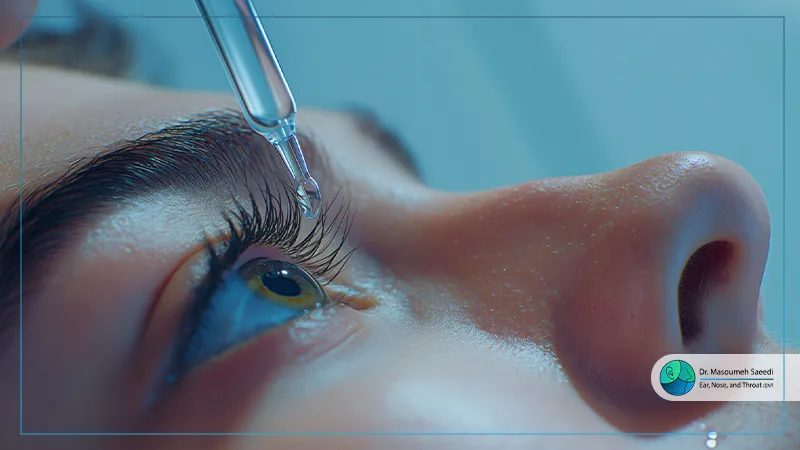
All pharmacologic interventions should be administered under medical supervision to ensure appropriate dosing and to avoid adverse effects or complications.
Home Management
In addition to medical therapy, supportive home care measures may help alleviate symptoms and promote sinus drainage:
- Warm compresses: Applying a warm compress to the forehead and periocular area can improve local circulation, ease pressure, and reduce discomfort.
- Saline nasal irrigation: Rinsing the nasal passages with isotonic saline solution helps remove mucus buildup and supports sinus ventilation.
- Adequate rest: Physical rest enhances immune system function and supports recovery.
- Proper hydration: Increased fluid intake helps thin mucus secretions, facilitating easier drainage.
- Humidified air: Using a humidifier prevents excessive dryness of the nasal mucosa and reduces irritation.
While these measures may improve comfort, they are considered adjunctive and should not replace medical treatment in moderate to severe cases.
Conclusion
Ocular sinusitis is a clinically significant condition that requires timely recognition and appropriate management. Because of the close anatomical proximity between the paranasal sinuses and the orbital structures, untreated inflammation may lead to serious ophthalmic complications. Early diagnosis, adherence to prescribed treatment, and regular medical follow-up are essential to preventing adverse outcomes. Patients experiencing persistent eye pain, noticeable swelling, or visual disturbances should seek medical evaluation without delay to safeguard ocular health and visual function.
Frequently Asked Questions (FAQ) About Ocular Sinusitis
Yes. If left untreated, inflammation may compress the optic nerve or spread into the orbital cavity. This pressure can lead to blurred vision, decreased visual acuity, and in severe cases, permanent optic nerve damage. Any visual disturbance associated with eye pain requires immediate medical evaluation.
Recovery time depends on the underlying cause and severity. In bacterial cases treated appropriately with antibiotics, symptoms often improve within one to two weeks. Chronic or complicated cases may require longer treatment durations and close medical follow-up, and occasionally surgical drainage.
Yes. When inflammation extends to the orbital tissues or extraocular muscles, patients may experience pain during eye movement or restricted ocular mobility. In some cases, double vision (diplopia) may occur due to muscle involvement.
Yes, children can develop ocular sinusitis, particularly following upper respiratory infections or recurrent allergies. Symptoms may include periorbital pain, eyelid swelling, fever, and nasal discharge. Early diagnosis in pediatric patients is essential to prevent complications.
Most mild to moderate cases can be managed on an outpatient basis with appropriate medication. However, hospitalization may be necessary if complications develop, such as significant orbital swelling, visual impairment, or spread of infection requiring intravenous antibiotics or surgical intervention.
Typical sinusitis primarily causes nasal congestion, facial pressure, and headache. Ocular sinusitis specifically involves symptoms affecting the eyes, such as pain around the orbit, swelling, or visual disturbances, due to the proximity of infected sinuses to the eye structures.
Risk can be reduced by promptly treating respiratory infections, managing allergies effectively, avoiding environmental pollutants, maintaining nasal hygiene with saline irrigation, and supporting immune health