
Ear Itching: Causes, Symptoms, Treatment, and Prevention
Ear itching is a common condition that may indicate infection, allergies, dry skin, or other underlying issues. It can develop for various reasons, including skin dryness, earwax buildup, bacterial or fungal infections. In this article, we examine the causes of ear itching, the most effective medical and home treatments, and preventive strategies.
![]() Causes of Ear Itching
Causes of Ear Itching
 Causes of Ear Itching
1. Dry Skin
Dryness inside the ear canal is one of the most common causes. It may result from climate changes, harsh cleansing products, or frequent washing.
2. Ear Infections
- Otitis Externa (Outer Ear Infection): Often caused by water entering the ear canal, leading to itching, pain, and discharge.
- Otitis Media (Middle Ear Infection): Commonly follows colds or respiratory infections and may be accompanied by itching in the ear and throat.
3. Allergies
Allergic reactions to pollen, dust, detergents, or perfumes can trigger ear itching. This type of itching is often accompanied by sneezing, coughing, and red eyes.
4. Earwax Buildup
Excessive earwax accumulation may block the ear canal and cause irritation and itching due to pressure on the skin.
5. Skin Conditions
Dermatological conditions such as eczema and psoriasis can affect the skin inside the ear and lead to itching and irritation.
6. Use of Contaminated Devices or Chemicals
Using unclean headphones, hearing aids, or earplugs may irritate the ear canal and trigger allergic reactions resulting in itching.
Symptoms of Ear Itching
Ear itching is often accompanied by other symptoms, including:
- Persistent or intense itching inside the ear
- A burning sensation or mild pain
- Unusual ear discharge (white, yellow, or pus-like)
- Temporary hearing reduction
- Swelling or redness inside the ear
- Tenderness when touching or pressing the ear
If ear itching occurs along with any of these symptoms, it may indicate an ear infection or a skin condition and may require medical treatment.
What Does Ear Itching Indicate?
 Ear itching is a symptom that can have various causes and, in some cases, may signal an underlying problem in the ear or even other parts of the body. This uncomfortable sensation may appear temporarily and mildly, or in some individuals, it may persist and become bothersome.
Common causes of ear itching include dryness of the ear canal skin, inflammation or fungal and bacterial infections, allergies, and excessive earwax buildup. It may also result from dermatitis (skin inflammation), the use of hearing aids or earphones, or allergic reactions to cosmetic or cleaning products.
Additionally, underlying conditions such as eczema, psoriasis, or diabetes may contribute to ear itching. In some cases, itching occurs without a clear cause, which is referred to as idiopathic itching.
Home Treatment for Ear Itching
Ear itching is a common issue that may result from dry skin, fungal or bacterial infections, allergies, or earwax accumulation. If the itching is caused by mild and uncomplicated conditions, home remedies may help relieve the symptoms.Below are several home remedies for treating ear itching:
1. Using Olive Oil
Olive oil is one of the best home remedies for ear itching. It helps soften earwax and relieve dry skin. To use this method:
- Warm a few drops of olive oil slightly (not hot) and, using a dropper, place a few drops into the ear.
- After a few minutes, tilt your head to the opposite side to allow the oil and wax to drain out.
- This method helps soften the wax and prevent itching.
2. Apple Cider Vinegar
Apple cider vinegar is an effective natural remedy for ear itching due to its antibacterial and antifungal properties. Its use may help control ear infections. To use apple cider vinegar:
- Mix one-quarter apple cider vinegar with three-quarters warm water.
- Place a few drops of this solution into the ear and wait a few minutes.
- Then tilt your head to the opposite side to let the solution drain out. This method may help reduce itching caused by fungal and bacterial infections.
3. Tea Tree Oil
Due to its antifungal and antibacterial properties, tea tree oil can help treat ear itching caused by fungal and bacterial infections. To use tea tree oil:
- Mix a few drops of tea tree oil with a carrier oil such as olive oil or coconut oil.
- Apply the mixture around the ear using clean cotton, avoiding insertion into the ear canal.
- This method may help reduce inflammation and itching caused by fungal infections.
4. Warm Compress
Using a warm compress helps reduce inflammation and relieve pain and itching in the ear. To do this:
- Soak a clean cloth in warm water and gently squeeze out the excess water.
- Place the warm cloth over the ear for 10 to 15 minutes.
- This method may help reduce inflammation and itching and provide greater comfort.
5. Using Almond Oil
Almond oil is an effective home remedy for softening earwax and reducing dryness. To use almond oil:
- Place a few drops of almond oil into the ear.
- Wait a few minutes, then tilt your head to the opposite side to allow the oil to drain out. This oil can help soften wax and prevent itching.
6. Rinsing with Salt Solution
Salt water is a simple and effective method for rinsing the ear and reducing itching caused by excess wax and discharge. To do this:
- Dissolve one teaspoon of salt in one cup of warm water.
- Use a dropper to place a few drops of the salt solution into the ear.
- Tilt your head to the opposite side to allow the solution to drain out. This method may help reduce itching and clean the ear canal.
7. Using Aloe Vera
 Aloe vera is another natural remedy that may help soothe ear itching caused by inflammation or allergies. To use aloe vera:
- Extract the gel from the leaf and gently apply it to the outer ear area.
- The gel helps reduce inflammation and relieve itching more quickly.
8. Avoid Using Cotton Swabs
Using cotton swabs can push earwax deeper into the ear canal, leading to further irritation and itching. To prevent itching, it is better to use natural and indirect methods for cleaning the ear.
Important Notes for Home Treatment of Ear Itching
- Avoid using hot or irritating substances: When using oils or solutions, do not overheat them to prevent ear damage.
- Regular cleaning: If ear itching is caused by wax buildup, appropriate cleaning methods should be used, while always being careful not to damage the eardrum.
- Consult a doctor: If symptoms do not improve or if pain and inflammation increase, consult a doctor. Home remedies may not be sufficient for serious infections and may require medical treatment.
Best Ointment for Ear Itching
For treating ear itching caused by inflammation or allergies, anti-inflammatory ointments such as Hydrocortisone may be effective. These ointments help reduce inflammation and itching in the ear area. Additionally, ointments containing antifungal compounds such as Ketoconazole may be effective in cases of fungal infection.
Ear Drops for Itching
1. Betamethasone Drops for Ear Itching
Betamethasone drops are anti-inflammatory medication that may be used to treat ear itching caused by inflammation or allergies. These drops are usually prescribed by a doctor and help reduce swelling and inflammation inside the ear.
2. Antifungal Drops
In cases of fungal infection, antifungal drops such as Natamycin or Clotrimazole may help reduce itching symptoms and prevent fungal growth.
3. Drops Containing Antihistamines
If ear itching is caused by allergies, using drops that contain antihistamines may help reduce itching and inflammation related to allergic reactions.
4. Drops Containing Antibiotics
If ear itching is due to a bacterial infection, antibiotic drops such as Tobramycin or Cephalosporin may be prescribed to treat the infection and reduce itching symptoms.
Tablets for Ear Itching
If ear itching is caused by allergies or systemic infections, a doctor may prescribe antihistamine or antibiotic tablets. Antihistamine tablets such as Cetirizine or Loratadine may help reduce allergy-related itching and inflammation. In cases of middle ear or bacterial infection, an oral antibiotic such as Amoxicillin may be prescribed.
Prevention of Ear Itching
![]() 1. Maintain Ear Hygiene
1. Maintain Ear Hygiene
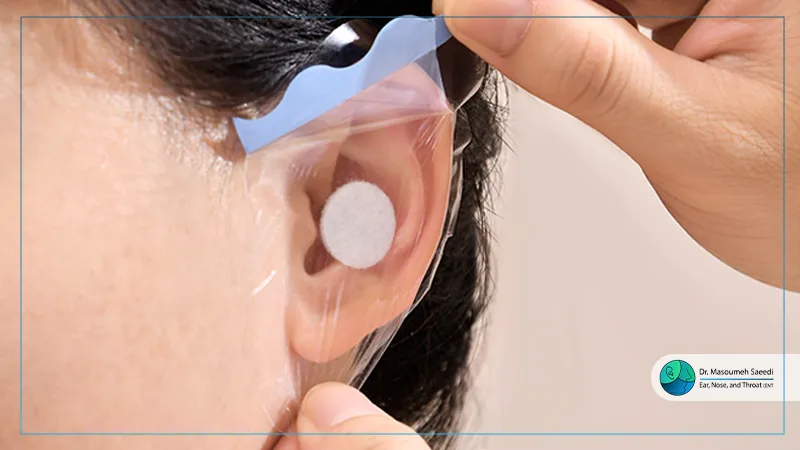 1. Maintain Ear Hygiene
To prevent ear itching, it is recommended to clean the ears regularly and avoid using cotton swabs. Gentle washing of the ear with warm water and mild shampoo may be used.
2. Avoid Water Entering the Ear
After swimming or bathing, dry your ears thoroughly to prevent water from entering the ear canal.
3. Use Clean Headphones and Hearing Aids
To prevent ear irritation, clean headphones and hearing aids regularly and avoid sharing personal items.
When Should You See a Doctor?
If ear itching is accompanied by severe pain, pus discharge, hearing loss, or fever, you should consult a doctor immediately. In cases of long-term or persistent symptoms, prompt diagnosis and treatment can prevent more serious complications.
Conclusion
Ear itching may result from various factors, including dryness, infections, allergies, and skin conditions. Home and medical treatments can help relieve symptoms; however, if symptoms persist or worsen, medical consultation is necessary. By maintaining ear hygiene and using appropriate treatments, ear itching can be prevented and ear health preserved.
Frequently Asked Questions (FAQ) About Ear Itching
To reduce ear itching, home remedies such as olive oil, almond oil, or apple cider vinegar may be effective. Anti-inflammatory or antifungal ear drops are also recommended for itching caused by fungal or bacterial infections. If the itching persists, consulting a doctor for more precise treatment is necessary.
Various medications are available for treating ear itching, including:
-
Antifungal drops such as Natamycin for fungal infections.
-
Antibacterial drops for bacterial infections.
-
Anti-inflammatory ointments such as Hydrocortisone or Triamcinolone to reduce inflammation and itching caused by allergies or skin conditions.
If the cause of itching is unclear, a doctor may recommend appropriate treatment.
Boric alcohol drops may be used to treat bacterial and fungal ear infections. They have antiseptic properties and help dry moisture inside the ear. However, they should be used with caution and only under medical supervision, as improper use may cause ear damage.
Ear itching may be caused by an infection, especially if accompanied by symptoms such as pain, pus discharge, hearing loss, or fever. Ear infections such as otitis externa or otitis media can cause itching and inflammation. If symptoms do not improve or worsen, it is advisable to consult a doctor.
In children, ear itching may result from middle or outer ear infections, earwax buildup, allergies, or skin conditions such as eczema. Children often complain of ear itching, and if the problem persists, medical consultation is necessary.
Ear itching after piercing is usually caused by inflammation or infection at the piercing site. Dry skin and irritation from metal jewelry or chemicals may also cause itching. For relief, anti-inflammatory ointments and antibiotics (in case of infection) may be used.
Triamcinolone ointment is a corticosteroid used to treat inflammation and itching caused by allergies or skin conditions such as eczema. It may be helpful in reducing ear inflammation and itching; however, it should be used under medical supervision to avoid side effects.