
Differences Between Cochlear Implantation in Children and Adults
Cochlear implantation is one of the most advanced and effective methods for restoring hearing in individuals with severe to profound hearing loss. Although the overall surgical procedure is similar in both children and adults, there are important differences in treatment goals, timing of implantation, expected outcomes, and rehabilitation challenges between these two groups.
 In this article, we discuss the most important differences between cochlear implantation in children and adults. It should be noted that Dr. Masoumeh Saeedi performs cochlear implant surgery for both pediatric and adult patients. To learn more about the cochlear implant process and read answers to frequently asked questions, you may visit the cochlear implant page on our website.
Goals of Cochlear Implantation
In Children
The primary goal of cochlear implantation in children is to support auditory development and facilitate language acquisition. During early childhood, the auditory system has a high level of neural plasticity, meaning the brain is more adaptable and capable of learning through sound stimulation.
By receiving auditory input through a cochlear implant at an early age, children are able to develop listening skills, speech perception, and communication abilities through hearing. Early implantation allows children to learn spoken language in a more natural way, similar to their normal-hearing peers.
In Adults
In adults, cochlear implantation is mainly performed to restore hearing that has been lost over time. Most adult candidates previously had normal or functional hearing and have already developed language and speech skills.
Therefore, the primary goal of cochlear implantation in adults is to improve quality of life, enhance communication, and help individuals return to social, professional, and daily activities that may have been limited due to hearing loss.
Timing of Cochlear Implantation
![]() In Children
In Children
 In Children
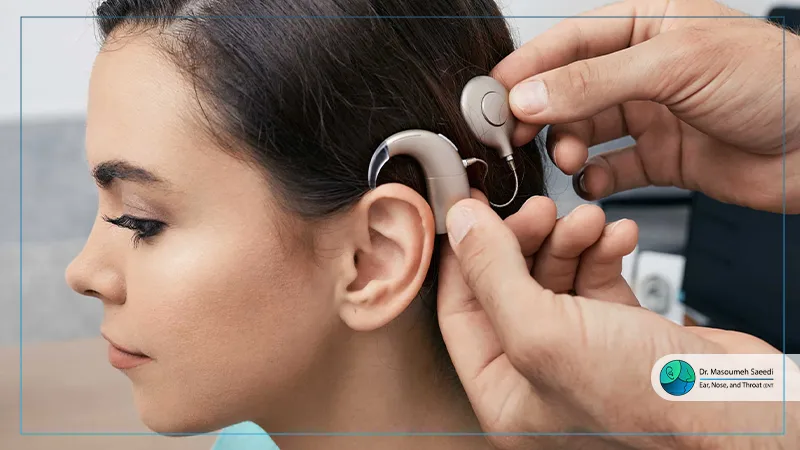
In children—especially infants and young toddlers—early diagnosis of hearing loss and timely cochlear implantation are extremely important. Implantation is often recommended before the age of 2 to 3 years whenever possible.
This period is commonly referred to as the “golden period” for language learning. Implantation during this critical window significantly increases the likelihood of successful speech and language development and leads to better long-term auditory outcomes.
In Adults
In adults, timing is generally less critical compared to children; however, the duration of hearing loss plays a major role in determining outcomes. Adults who have experienced long-standing or untreated deafness may achieve more limited benefits from cochlear implantation.
This is because the brain may gradually adapt to the absence of auditory input, making it more challenging to interpret sound signals after implantation. Early evaluation and timely intervention are therefore still recommended.
Surgical and Technical Differences
The surgical technique used for cochlear implantation is largely similar in both children and adults. However, certain technical aspects may vary depending on the patient’s age, anatomy, and physical characteristics.
The size and programming of the cochlear implant device may be adjusted based on individual needs. In addition, children require more precise anesthesia management and closer monitoring during and after surgery to ensure safety and optimal recovery.
Rehabilitation Challenges
![]() In Children
In Children
 In Children
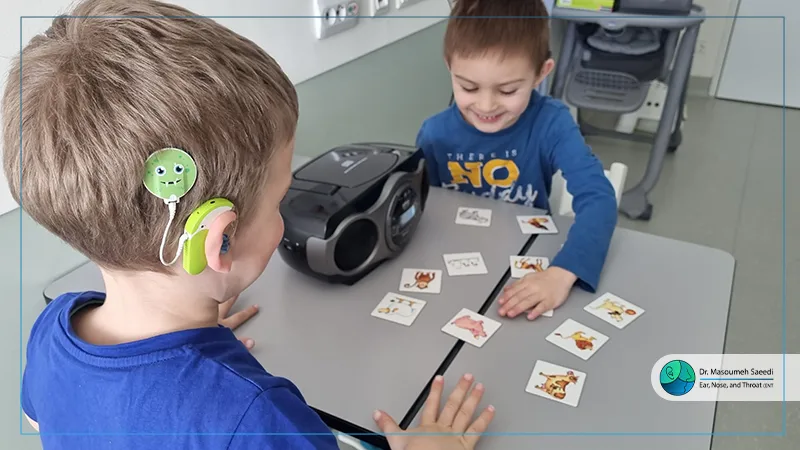
Rehabilitation in children is a critical and intensive process. It typically includes regular auditory training sessions and speech therapy designed to help children recognize sounds, understand speech, and develop spoken language skills.
Parents play a vital role in the success of pediatric cochlear implantation. Active participation in therapy sessions, consistent practice at home, and ongoing auditory stimulation are essential components of effective rehabilitation in children.
In Adults:
Rehabilitation in adults is mainly focused on re-adapting to environmental sounds and learning how to use the cochlear implant effectively. Unlike children, adults do not need to learn language from the beginning; however, they may require time and practice to correctly interpret sounds.
Expectations and Final Outcomes
In Children:
If cochlear implantation is performed at the appropriate time and with careful planning, many children can achieve near-normal hearing and attend mainstream schools.
In Adults:
Outcomes in adults depend largely on their prior familiarity with sound and language. Individuals may be able to hear sounds clearly, but complete clarity equivalent to normal hearing is not always achieved.
Psychological and Social Factors
![]() Children:
Children:
 Children:
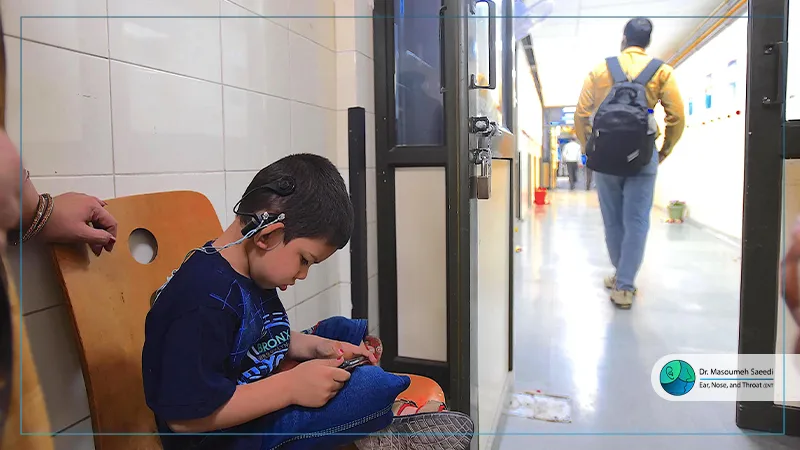
Children may be less psychologically affected by hearing loss, as their personality and social experiences are still in the process of development.
Adults:
Adults who have lost their hearing may experience psychological challenges such as depression, social isolation, or anxiety. Cochlear implantation can have a positive impact on reducing these difficulties.
Frequently Asked Questions
Yes. Due to greater brain plasticity and a higher capacity for language learning at a young age, outcomes are often better in children.
The ideal time is before 2 to 3 years of age, as this period is considered the golden window for language and auditory development.
Yes, but the level of success may be lower because the brain may have adapted to the absence of sound over time.
Children must learn to recognize sounds and develop spoken language from the beginning, whereas adults have already acquired language skills.
No. The basic surgical principles are similar, but greater attention is required regarding device size and physical conditions, especially in children.
No. Some children may not be suitable candidates due to medical or anatomical conditions, making thorough preoperative evaluations essential.
Depending on the age at surgery, quality of rehabilitation, and family support, it may take several months to several years.
Yes, but the number and intensity of sessions are usually less than in children, with a greater focus on auditory adaptation.
Because the brain may have lost part of its ability to process sound, making auditory retraining more difficult.
With successful rehabilitation, many children are able to attend regular schools alongside their peers.
No. Cochlear implant surgery is safe in both groups, but children require closer care during and after the procedure.
There is no fundamental difference, but the device is adjusted and programmed according to each individual’s physical and hearing needs.
No. Hearing achieved through a cochlear implant is artificial, and sound quality may not be identical to natural hearing.
It usually takes several weeks to several months and depends on the duration of deafness and participation in rehabilitation.
The surgical cost is generally similar, but children often require more rehabilitation sessions, which may increase overall costs.
No. Medical and audiological evaluations are required to determine whether cochlear implantation is appropriate.
This depends on the individual’s condition. In some cases, one ear is sufficient, while in others, bilateral implantation is recommended.
No. After full recovery, children can participate in normal daily activities like other children.
Late implantation, neurological or brain-related conditions, and inadequate rehabilitation are among the main reasons.
Adults are generally more independent, but family and social support plays an important role in successful rehabilitation.