
Rhinoplasty (Nose Surgery): A Comprehensive Medical Guide
Rhinoplasty, commonly known as nose surgery, is one of the most frequently performed facial procedures worldwide. It can be carried out for cosmetic enhancement, functional improvement, or a combination of both. While many patients focus primarily on aesthetic outcomes, rhinoplasty also plays a critical role in improving nasal airflow, correcting septal deviation, and addressing structural abnormalities.
This guide provides a comprehensive overview of rhinoplasty, including medical and cosmetic indications, surgical techniques, recovery timelines, potential risks, and frequently asked questions.
![]() What Is Rhinoplasty?
What Is Rhinoplasty?
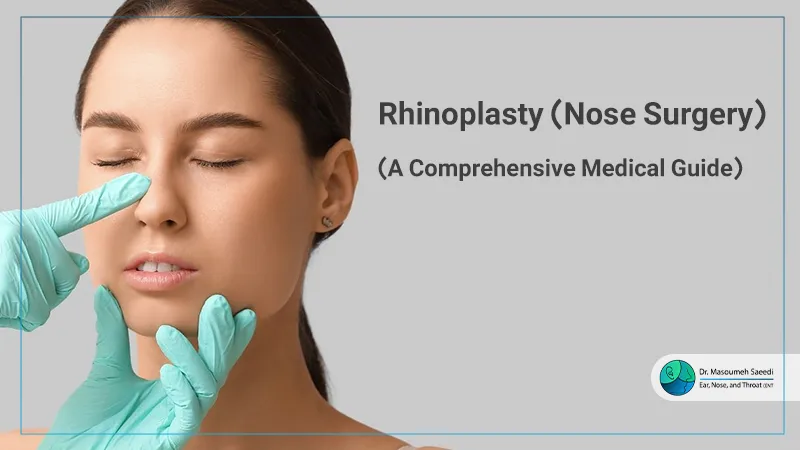 What Is Rhinoplasty?
Rhinoplasty is a surgical procedure designed to modify the structure of the nose for cosmetic refinement or functional correction. The surgery may involve reshaping bone, cartilage, or internal nasal structures.
Goals of Rhinoplasty
Cosmetic Goals:
Reducing nasal humps, refining the nasal tip, narrowing nostrils, and improving facial harmony.
Functional (Medical) Goals:
Correcting deviated septum (septoplasty), improving airflow, and restoring nasal structure after trauma.
Common Reasons for Rhinoplasty
In ENT practices, many rhinoplasty procedures are performed for functional reasons, particularly to address septal deviation that leads to chronic nasal obstruction. In many cases, functional correction is combined with aesthetic refinement, resulting in both improved breathing and appearance.
1. Deviated Nasal Septum
One of the most common causes of nasal blockage and mouth breathing, treated surgically through septoplasty, often combined with cosmetic correction.
2. Chronic Nasal Obstruction
Caused by internal structural abnormalities or turbinate hypertrophy, which can be effectively treated through rhinoplasty.
3. Nasal Trauma and Fractures
Rhinoplasty can restore both the function and natural appearance of the nose following injury.
4. Purely Cosmetic Concerns
Some patients seek rhinoplasty solely for aesthetic reasons. In such cases, choosing an ENT specialist helps ensure preservation of nasal function.
Functional vs. Cosmetic Rhinoplasty
| Aspect | Functional | Cosmetic |
|---|---|---|
| Primary Goal | Improve breathing | Enhance appearance |
| Insurance Coverage | Often covered | Usually not |
| Indication | Medical necessity | Patient preference |
Note: Many procedures combine both approaches.
Types of Rhinoplasty
![]() Open Rhinoplasty:
Open Rhinoplasty:
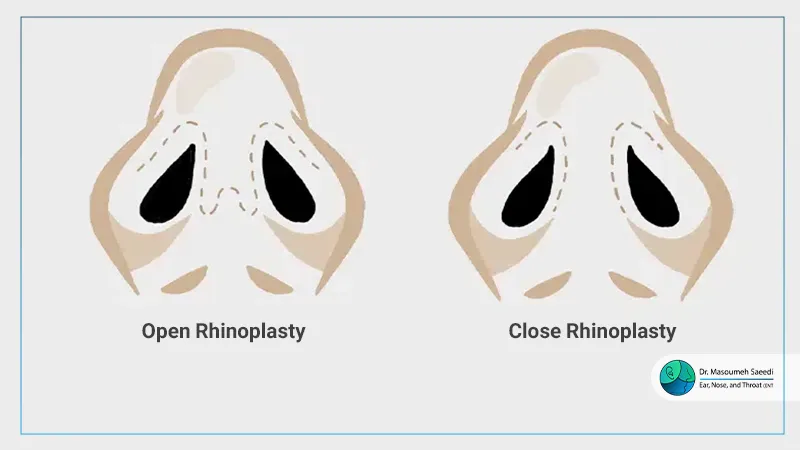 Open Rhinoplasty:
Provides direct visualization of nasal structures and is preferred for complex cases.
Closed Rhinoplasty:
All incisions are internal, suitable for minor refinements with reduced postoperative swelling.
Potential Complications
Rhinoplasty is generally safe and effective when performed by an experienced surgeon, but it may be associated with temporary or, rarely, long-term complications. Awareness of these issues helps patients approach the procedure with realistic expectations.
1. Swelling and Bruising (Common and Temporary)
Postoperative swelling around the nose, cheeks, and under the eyes is normal. Swelling usually peaks during the first week and gradually subsides. Bruising typically resolves within 7–14 days. Open rhinoplasty often results in more swelling than closed techniques.
2. Minor Bleeding
A small amount of blood or discharge from the nose is normal in the first few days. Severe or persistent bleeding should be evaluated by a physician immediately.
3. Temporary Numbness of the Nasal Tip or Upper Lip
Some patients may experience numbness or tingling in the nasal tip or upper lip, usually temporary, resolving over weeks to months.
4. Infection
Although rare, infection at incision sites is possible. Strict hygiene, following antibiotic prescriptions, and regular follow-up minimize this risk.
5. Difficulty or Noisy Breathing
Patients may occasionally feel heaviness or hear a whistling sound during breathing, especially after extensive septum or turbinate adjustments. Usually temporary, persistent symptoms require reevaluation.
6. Asymmetry or Dissatisfaction with Cosmetic Result
The final appearance may differ from the patient’s initial expectation, especially with unrealistic goals. Rarely, asymmetry persists, and revision surgery may be considered 6–12 months postoperatively.
7. Excess Tissue or Abnormal Scarring
Particularly in patients with thick skin or a history of excess tissue formation. More common in open rhinoplasty.
8. Reduced Sense of Smell (Temporary or Rarely Permanent)
Temporary reduction in olfaction can occur due to internal swelling and usually resolves. Permanent loss is extremely rare.
9. Internal Nasal Adhesions (Synechiae)
In some cases, internal mucosal tissues may stick together, causing airflow obstruction. Usually manageable with minor procedures or limited intervention.
Important Note: Choosing a skilled surgeon and following pre- and post-operative instructions significantly reduces the likelihood of complications.
![]() Recovery Timeline
Recovery Timeline
 Recovery Timeline
-
First week: splint removal
-
2–4 weeks: major swelling subsides
-
3–6 months: gradual nasal shaping
-
Up to 1 year: final result
Who Is Not an Ideal Candidate?
-
Patients with uncontrolled chronic illnesses
-
Individuals with unrealistic expectations
-
Adolescents whose nasal growth is incomplete
Cost of Rhinoplast
The cost of rhinoplasty varies depending on whether the procedure is functional or cosmetic, the surgeon’s expertise, the surgical facility, and any additional procedures performed simultaneously. In medically indicated cases, such as septoplasty, part of the cost may be covered by insurance. Purely cosmetic rhinoplasty is typically not covered and is calculated independently.
Frequently Asked Questions
No. The procedure is performed under general anesthesia, and postoperative discomfort is usually well controlled with prescribed pain medication.
Most swelling subsides within the first two months, although minor residual swelling may persist for up to one year.
If breathing difficulty is caused by structural abnormalities such as a deviated septum, rhinoplasty can significantly improve nasal airflow.
Online Consultation, Directly with Dr. Saeedi
Ask your question via WhatsApp, and if you wish, Send your photo for a more accurate assessment.
Free Consultation on WhatsApp